
B2B Partner Onboarding: Process, Automation & Best Practices

ScaleLabs helps ops-heavy B2B teams ship client portals and workflow automation that reduce email chaos, speed up onboarding, and improve visibility across the business.
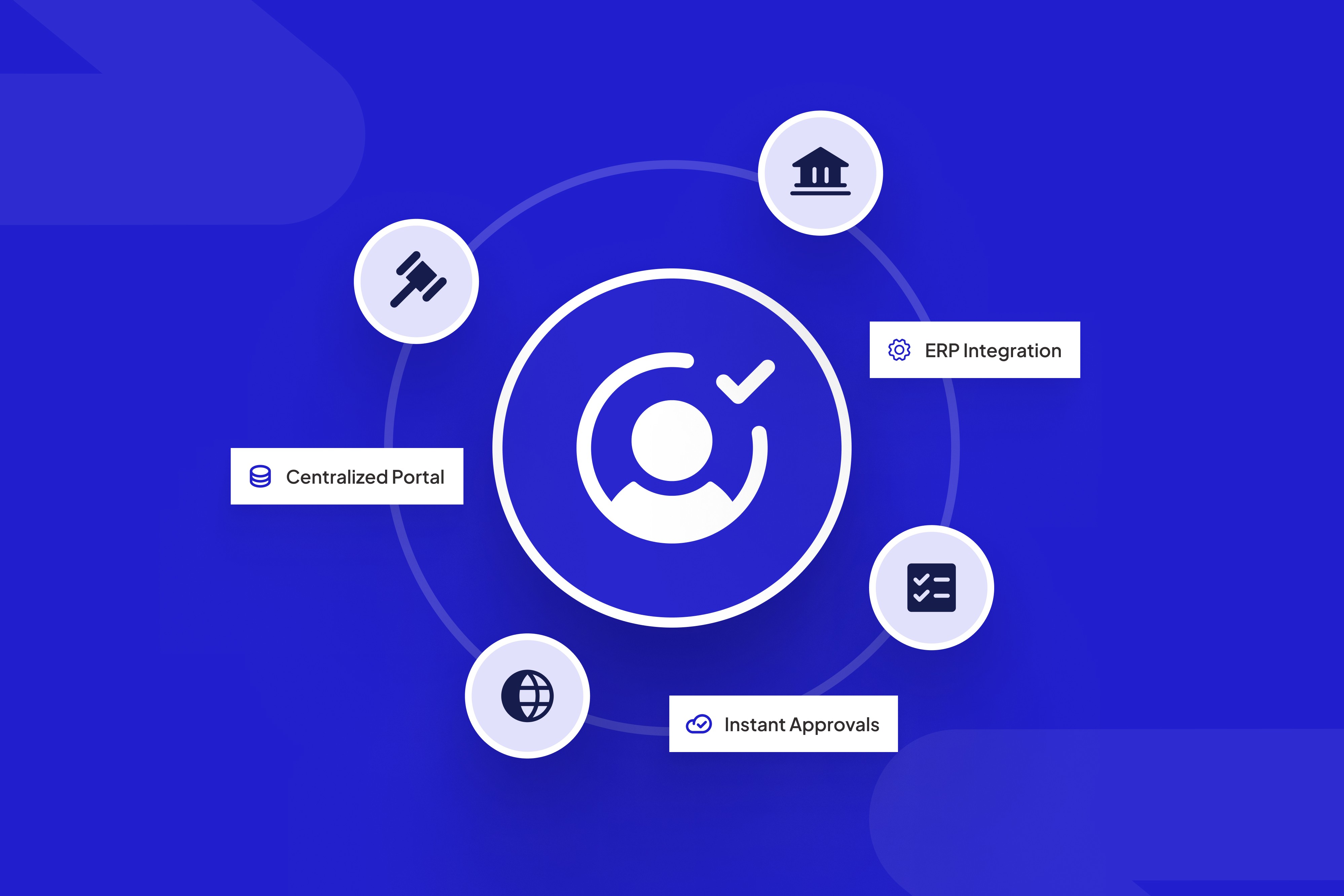
In B2B relationships, onboarding is the foundation of trust. It’s the process that decides how fast your new partners, suppliers, distributors, vendors, or resellers can start working with you effectively.
Unlike customer onboarding, B2B partner onboarding involves multiple departments, approvals, and compliance checks. Legal, finance, operations, and IT all have a stake in verifying the partner before any deal moves forward.
And that’s where friction starts.
Many businesses still rely on spreadsheets, shared drives, or long email chains to collect documents and approvals. Each department requests the same data from excel sheet and from different portals, which leads to confusion, duplication, and delays.
The result?
- Weeks of back-and-forth emails
- Missed compliance updates
- Frustrated partners who can’t move forward
Modern companies are now solving this and also client implementation with automated onboarding portals, systems that handle documentation, validation, and approvals from one place. These portals not only speed up onboarding but also create a better first impression for partners.
In the B2B world, the onboarding experience defines how strong your long-term partnership will be.
The Typical B2B Partner Onboarding Process
Every organization has its own onboarding flow, but most follow the same core structure, from initial qualification to active collaboration. Understanding these steps helps identify where automation can make the biggest difference.
Let’s break it down:
- Pre-Qualification and Due Diligence
Before anything else, a company needs to determine if the potential partner is the right fit. This includes checking:
- Legal status, company registration, and tax compliance
- Previous business performance or reputation
- Product or service compatibility
- Risk level (financial or operational)
Traditionally, these checks are handled manually; someone gathers reports or searches databases. With automation, this can happen instantly using API integrations that fetch and validate data from business directories or compliance systems.
- Data and Document Collection
Once approved in principle, the next step is to collect all the required documentation.
This includes:
- Business registration certificates
- Tax documents (W-9, VAT, etc.)
- Banking details
- Insurance proofs or compliance forms
- Signed contracts and NDAs
Using a central onboarding portal, partners can upload everything in one place instead of sending files by email. Each upload triggers a timestamp, and missing items are automatically highlighted.
- System Setup and Integration
Here’s where most onboarding processes slow down. After collecting documents, IT or operations teams must:
- Create accounts in ERP or CRM
- Assign permissions
- Add payment details or approval roles
A reengineered onboarding process automates all of this. Once the partner is verified, their details flow directly into connected systems (ERP, CRM, procurement). No manual entry, just synced data across departments.
Automation also prevents errors like mismatched records or duplicate vendor profiles.
- Training and Enablement
Once partners are added to your system, they need guidance. This stage often includes:
- Access to training documents or videos
- Product or system walkthroughs
- Support contact details
In a smart onboarding portal, this can be handled automatically. When a partner’s account becomes “Active,” they receive personalized access to resources or onboarding tutorials. It turns the old “send them an email later” approach into an automated, immediate welcome experience.
5. Ongoing Collaboration and Performance Tracking
Onboarding doesn’t stop after setup; it transitions into long-term relationship management. This is where performance metrics come in:
- Partner engagement levels
- SLA adherence
- Document renewal timelines
- Payment or delivery consistency
A connected portal keeps this data visible to both sides. If a compliance document expires or a KPI dips, automated reminders or escalation flows trigger instantly. That’s how top-performing companies maintain accountability without adding administrative overhead.
Quick Summary Table
Stage
Traditional Process
Automated B2B Portal Process
Pre-qualification
Manual background checks
Auto data validation via API
Document collection
Email attachments
Central upload with tracking
System setup
Manual ERP entry
Auto-sync with connected systems
Training
One-time email
Self-serve resources via portal
Ongoing collaboration
Monthly reports
Real-time dashboards & alerts
A well-designed onboarding process turns scattered steps into a single, connected experience.
Common Bottlenecks in B2B Onboarding
Even well-structured onboarding systems often struggle with execution. The main reason? Disconnection.
Here are the most common challenges businesses face:
- Manual Data Entry: Every extra form or spreadsheet slows things down. When multiple teams input the same data separately, errors multiply, and correcting them later costs time and money.
- Disconnected Systems: Finance, legal, and procurement often operate in silos. Without integration, approvals take longer, and teams rely on outdated data to make decisions.
- Lack of Real-Time Visibility: When no one knows where a partner stands in the onboarding process, projects stall. Automation solves this by giving every stakeholder a live view of progress, what’s pending, what’s approved, and what’s next.
- Compliance and Risk Delays: Missing certificates or expired documents can freeze entire workflows. A portal-driven system automatically flags these gaps and notifies the right people instantly.
- Poor Partner Experience: When communication depends on email threads, partners often feel left out or confused. A transparent portal gives them clarity and confidence, setting the tone for a strong business relationship.
The longer it takes to onboard a partner, the more opportunities you lose. Automation isn’t just about speed; it’s about clarity, trust, and scalability.
Best Practices for B2B Partner Onboarding
Effective onboarding goes beyond collecting forms; it’s about building a system that makes collaboration effortless. Here are proven best practices for B2B partner onboarding that combine process discipline with automation intelligence.
- Centralize Everything in One Portal
Multiple emails, file-sharing links, and chat threads lead to lost data and frustration. A centralized onboarding portal brings every document, update, and message together in one secure dashboard.
Each partner gets their own space to:
- Upload documents
- Track approval status
- Communicate with your team
- View progress in real time
This single source of truth prevents miscommunication and keeps onboarding consistent.
- Automate Data Validation
Don’t make your team manually review every tax form or certificate. Integrate APIs or AI-based tools that auto-check details, like company registration, tax ID, or banking info. Automation not only reduces human error but also speeds up approvals by validating data within minutes instead of days.
- Standardize Your Workflow
Even a simple approval chain can become confusing without structure.
Define clear stages — for example: “Pending Documents → Compliance Review → Finance Approval → Live.”
Automating these transitions in your ERP or portal ensures everyone knows exactly where a partner stands at all times. Standardization doesn’t mean rigidity; it means repeatable quality.
- Keep the Partner Experience Transparent
Your partners shouldn’t have to email, “What’s the status?” Give them live access to see where their onboarding stands, what’s missing, and what’s next. Transparency builds trust, and it’s one of the fastest ways to start a strong relationship.
- Track and Improve with KPIs
Measure the health of your onboarding process using metrics like:
- Average onboarding time
- Document completion rate
- Approval turnaround time
- Partner satisfaction score
These metrics help you identify where the process slows down and which steps need reengineering. The best onboarding systems aren’t built overnight; they evolve through iteration, automation, and data-driven insights.
How ScaleLabs Simplifies B2B Partner Onboarding
At ScaleLabs, we design onboarding systems that remove friction from every step, from partner sign-up to go-live.
Our focus is simple:
Turn complex approval chains into automated, trackable workflows that connect directly to your ERP and CRM systems.
Here’s how ScaleLabs makes it happen:
- Custom Onboarding Portals: Partners get secure access to upload documents, sign agreements, and complete forms directly from one platform.
- ERP Integration: Once a partner is verified, ScaleLabs automatically connects onboarding data to your ERP, updating vendor, client, and payment records without duplication.
- Automated Workflows: Built-in triggers send reminders, escalate pending reviews, and close approvals once requirements are met.
- Role-Based Access & Compliance: Different teams (legal, finance, operations) can manage their parts of onboarding simultaneously, without overlapping permissions.
- Real-Time Dashboards: Get a 360° view of all partners in progress, who’s pending, verified, or active. Export reports or share visibility with management in seconds.
The Result
- 50–70% reduction in onboarding time
- Zero manual follow-ups between departments
- Audit-ready logs for every approval
- Happier partners who start faster and stay longer
ScaleLabs doesn’t just automate onboarding; it orchestrates collaboration between your business and every partner you work with.
Ready to onboard partners faster, without the email chaos?
Streamline your B2B onboarding with a portal that connects people, processes, and data.
Frequently Asked Questions
What is B2B partner onboarding?
B2B partner onboarding is the structured process of verifying, approving, and integrating new business partners such as vendors, distributors, or service providers. It involves document verification, compliance checks, and system setup. A smooth onboarding process sets the tone for collaboration, helping both companies align faster and reduce manual back-and-forth.
How long should B2B partner onboarding take?
The timeline depends on the level of compliance and data validation involved. Traditional onboarding can take weeks due to manual approvals and scattered communication. With an automated workflow or portal-based system, the same process can often be completed in a few days, sometimes even hours, without sacrificing accuracy.
What are best practices for B2B partner onboarding?
Best practices include creating a unified portal for all partner interactions, automating data collection and verification, setting clear approval workflows, and keeping partners informed through real-time dashboards. These steps reduce friction and build stronger, more transparent relationships from day one.
How can automation improve B2B onboarding?
Automation replaces repetitive, manual steps like document review, data entry, and status follow-ups with intelligent workflows. It also ensures compliance accuracy, minimizes human error, and keeps departments in sync through live notifications and system integrations, ultimately saving time and boosting partner satisfaction.
How does ScaleLabs help with partner onboarding?
ScaleLabs builds custom onboarding portals that connect directly with your ERP, CRM, and other core systems. Our platform automates document uploads, approvals, and compliance checks while providing live dashboards for both teams and partners. The result: faster onboarding, cleaner data, and a partnership experience that actually scales.