
Operational KPIs Every Ops Heavy B2B Company Must Track

ScaleLabs helps ops-heavy B2B teams ship client portals and workflow automation that reduce email chaos, speed up onboarding, and improve visibility across the business.

Operational KPIs Every Ops-Heavy B2B Company Must Track
Revenue metrics tell you what happened. Operational KPIs tell you why.
In ops heavy B2B organizations, performance is driven by workflows, vendor coordination, document management, and approval cycles. Without clearly defined operational KPIs, leadership cannot identify friction points or optimize automation investments.
Tracking operational KPIs is not about measuring everything. It is about measuring what drives operational health.
The Core Operational KPIs That Matter
One of the most important operational KPIs is intake to approval time. This metric measures how long it takes for a request to move from submission to first approval. When this number increases, bottlenecks are forming.
Approval cycle time provides deeper visibility into multi-layer decision chains. Long approval chains often indicate unclear authority structures or excessive manual review.
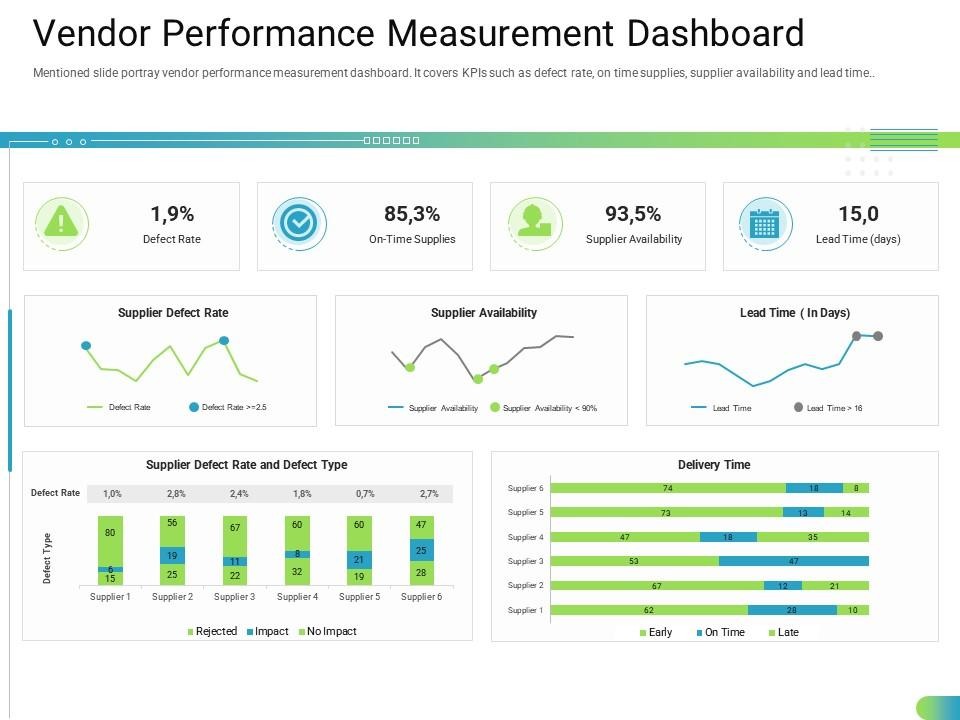
Vendor SLA compliance rate is another critical operational KPI. In ops heavy B2B environments, vendor performance directly impacts customer experience. Monitoring adherence to deadlines reveals reliability patterns.
Document turnaround time measures processing speed. In industries such as insurance, engineering, and construction, document velocity directly influences project timelines.
Rework rate reveals structural inefficiencies. If submissions frequently require resubmission or clarification, the workflow design may be flawed.
Together, these operational KPIs create a performance blueprint.
Building an Effective Operations Metrics Dashboard
An effective operations metrics dashboard pulls live workflow data rather than relying on static reporting. It should segment metrics by department, vendor group, or client category. Visibility into bottlenecks must be immediate.
Strong B2B KPIs connect operational metrics with strategic outcomes. For example, faster approval times correlate with higher client retention. Improved SLA compliance supports contract renewals. Reduced rework increases profitability.
Operational KPIs must be embedded into workflow systems so data collection is automatic. When dashboards are detached from execution systems, accuracy suffers.
The Strategic Value of Operational KPIs
Organizations that track operational KPIs systematically gain clarity into process efficiency. They can identify delays before they become crises. They can justify automation investments with measurable improvements. They can scale operations without losing control.
Operational KPIs transform operations from reactive management into proactive optimization.
Without them, automation becomes guesswork.
FAQs
What are operational KPIs?
Operational KPIs are measurable indicators that track workflow efficiency, approval speed, vendor performance, and overall process health within an organization.
What should an operations metrics dashboard include?
It should include intake to approval time, approval cycle duration, SLA compliance rates, document turnaround time, and escalation frequency.
How are B2B KPIs different from general KPIs?
B2B KPIs focus heavily on multi-party workflows, vendor coordination, compliance management, and contract driven dashboard and operational performance.