Why Every API Integration Takes a Month When It Should Take a Week

ScaleLabs helps ops-heavy B2B teams ship client portals and workflow automation that reduce email chaos, speed up onboarding, and improve visibility across the business.
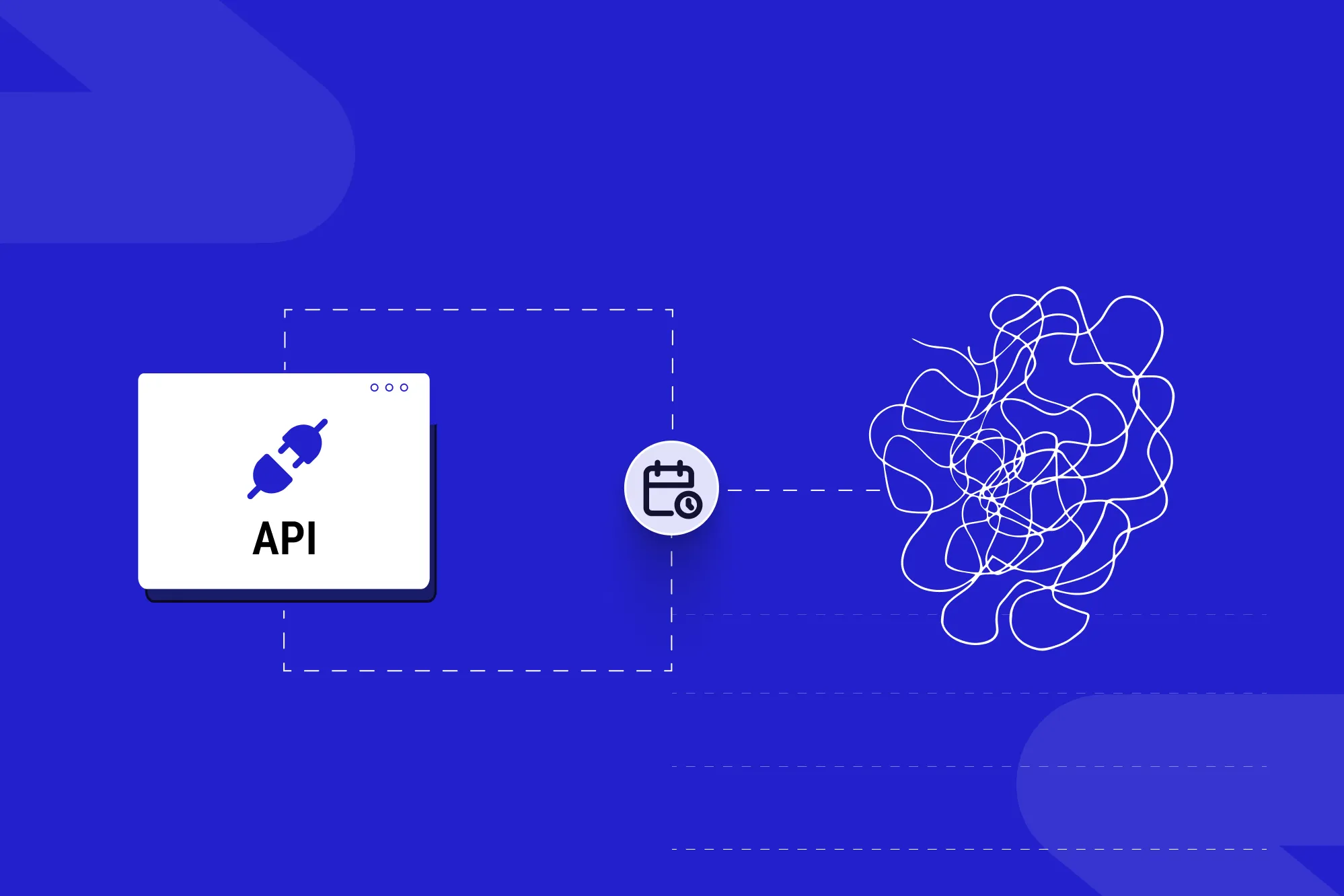
Your team has been trying to connect your ERP to your TMS for six weeks. The API documentation looked clean in the demo. In practice, the endpoints are dated, the data structures are inconsistent, and you’ve spent most of your time asking the vendor’s team where to find the data points you need.
This isn’t a one-time problem. It happens with every integration. The scale system. The ELD. The dispatch tool. The sensor platform. Every time your team opens a new API, it’s the same story: what should take a week takes a month.
The API Reality Nobody Talks About
Everyone thinks APIs are like Stripe — clean documentation, well-structured endpoints, logical data models. In fleet operations, the reality is different. Most APIs in this industry are somewhere between “functional with effort” and, frankly, terrible.
The documentation is incomplete. Endpoints that look promising turn out to be deprecated. The data you need is scattered across multiple calls that don’t reference each other logically. And when you ask the vendor’s technical team for help, they come back a week later with “oh, that’s actually in a different endpoint we don’t really document.”
One company in the Pacific Northwest described the experience of integrating with a legacy system’s API: they spent weeks trying to get a specific endpoint to return data, only to discover it was effectively abandoned. And that happened, by their count, nine different times across different integrations.
“Most APIs in this industry aren’t like Stripe. They’re poorly documented, inconsistently maintained, and full of surprises that burn weeks of development time on what should be straightforward integrations.”
The Compounding Cost
Every month-long integration delays the value you get from the system it connects to. If it takes three months to connect your ELD to your dispatch tool, that’s three months of dispatch decisions made without live driver location data. If it takes two months to connect your ERP to your routing system, that’s two months of manual order re-entry and cost reconciliation.
And it’s not just the calendar time. It’s the developer time. When your team is debugging API quirks and chasing vendor support tickets, they’re not building the features that actually move the business forward. Integration work becomes a tax on every other technology initiative.
What Good Integration Architecture Looks Like
- A middleware layer that sits between your systems and handles the messy translation work. Your ERP speaks one language. Your TMS speaks another. The middleware translates, validates, and routes data between them without either system needing to change.
- Standardized data models internally, even when external APIs are inconsistent. Your team works with clean, predictable data structures regardless of how messy the source API is.
- Pre-built connectors for the systems you use most — Business Central, Samsara, Geotab, common scale systems — that have already been through the painful discovery process of figuring out where the data actually lives.
- An integration team that’s done this before. Not generalist developers who are learning the industry’s API landscape for the first time, but people who’ve already mapped the quirks of the platforms you use.
Stat: Companies that implemented a dedicated middleware layer for fleet system integrations report 40–60% reductions in integration development time for new system connections.
The Build-Once Advantage
Here’s the strategic argument. If you’re going to connect your ERP, your ELD, your sensor platform, your dispatch system, and your customer portal, you can either fight each integration individually — or you can build a middleware layer once that handles the translation between all of them.
The first approach gets more expensive with every new system. The second approach gets cheaper. Every new integration leverages the same data models, the same validation logic, and the same team that already knows where the bodies are buried in each vendor’s API.
For a company that’s growing through acquisition and adding new systems every year, that’s the difference between integration being a recurring headache and integration being a solved problem.
Where to Go From Here
We talk about integration architecture and middleware strategy. If your team has been fighting API integrations for months and the connections still aren’t clean, we’ve probably seen the exact same problems before.
Book a call with the ScaleLabs team and bring your integration wish list. We’ll tell you exactly which connections are straightforward and which ones are going to fight back.