Project Intake Process Best Practices: Fixing Operational Chaos at the Source

ScaleLabs helps ops-heavy B2B teams ship client portals and workflow automation that reduce email chaos, speed up onboarding, and improve visibility across the business.
Project Intake Process Best Practices: Why Most Companies Don’t Know Where Work Starts
Every operational problem has a starting point. In most B2B organizations, that starting point is intake and it is usually broken.
Without clear project intake process best practices, requests enter the organization through scattered channels: emails, calls, Slack messages, spreadsheets, and shared folders. No single system owns the entry point. As a result, teams struggle to answer a basic question: where did this project begin?
A structured intake process workflow is not optional for scaling businesses. It is foundational.
The Hidden Cost of Intake Chaos
When intake is undefined, downstream inefficiencies multiply. Approvals get delayed because documentation is incomplete. Vendors waited for clarification because requirements were unclear. Internal teams duplicate effort because submissions were not visible.
Over time, this chaos creates operational drag. Deadlines slip. Accountability weakens. Compliance risks increase. Leadership cannot measure cycle times accurately because the first step of the process is invisible.
Project intake process best practices bring discipline to the very first interaction in a workflow. And that discipline compounds throughout the entire operational vendor lifecycle.
Designing a Structured Intake Process Workflow
A strong intake process workflow begins with a centralized digital submission layer. Every request whether from a client, vendor, or internal stakeholder must enter through a structured interface. Mandatory fields ensure required documentation is submitted at the outset. Conditional logic can guide users dynamically, reducing incomplete submissions.
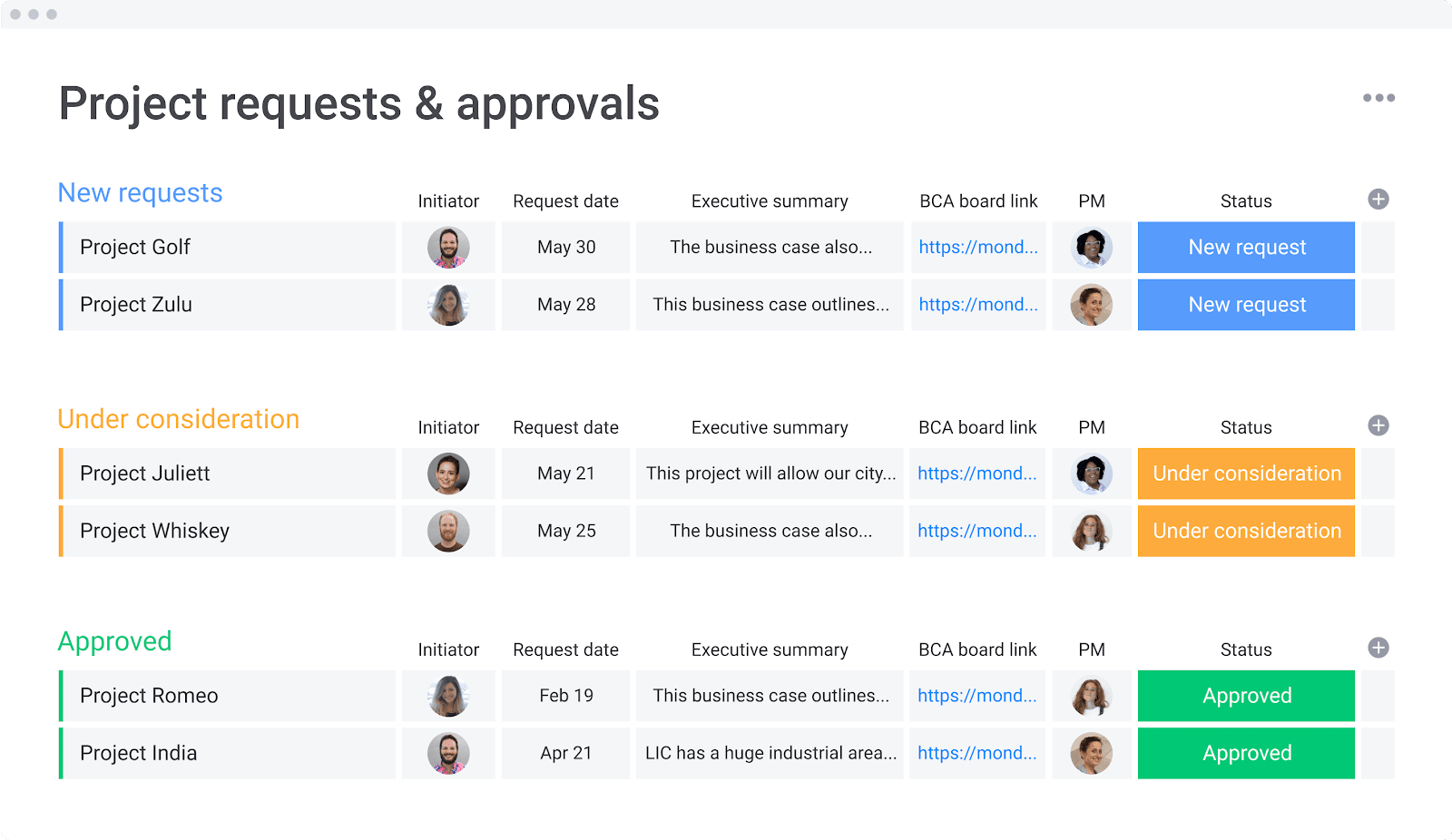
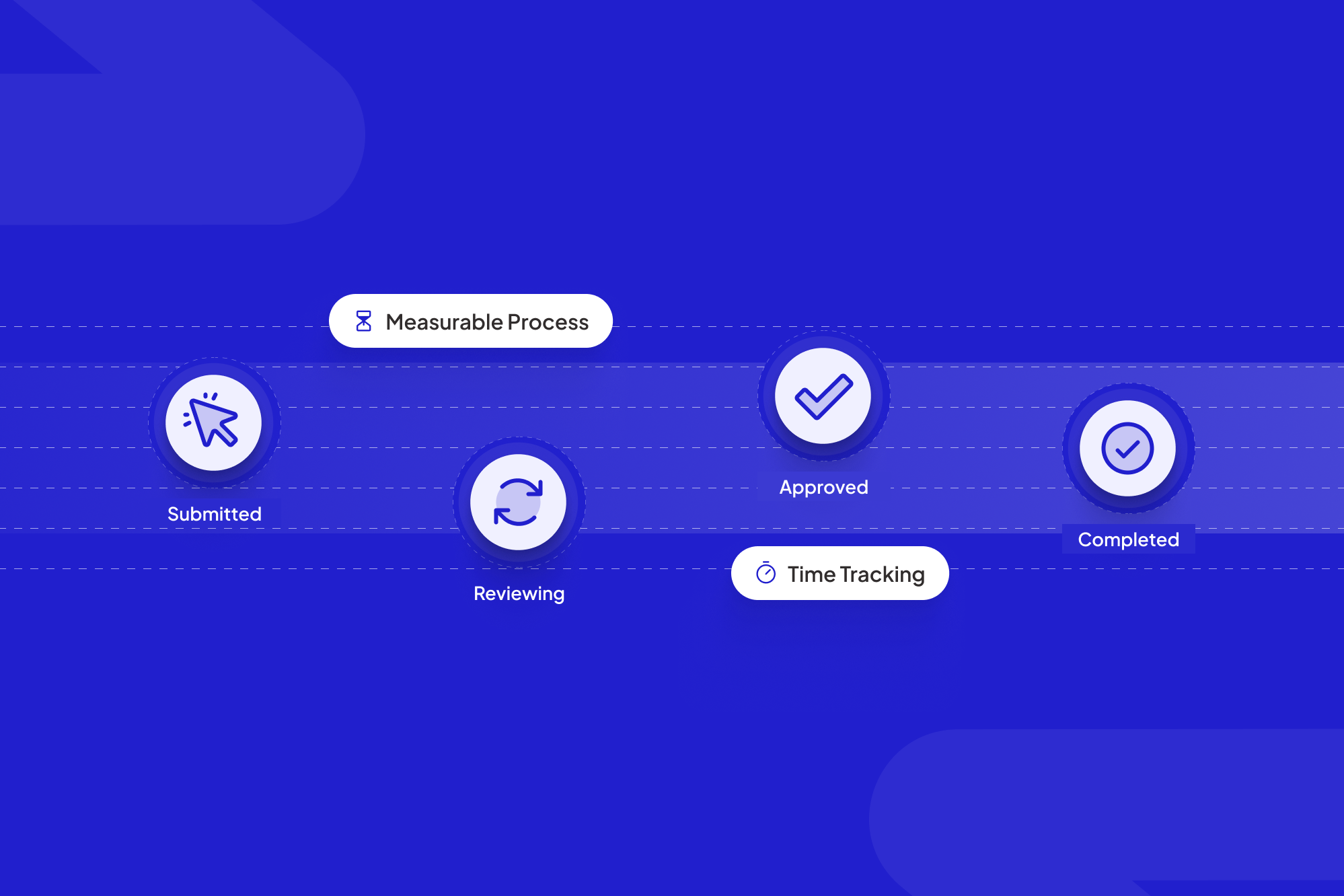
Once captured, requests should trigger automated routing based on predefined rules. Approval paths, department assignments, and SLA clocks should activate instantly. Visibility dashboards should show stakeholders where each request stands at any moment.
This is where automation becomes practical. When intake is structured, AI can enhance categorization, detect missing documentation, and predict bottlenecks. But automation only works if project intake process best practices are already in place.
Signs Your Intake System Needs Redesign
Organizations often tolerate intake chaos because it feels manageable until scale exposes the cracks. Warning signs include frequent follow up emails asking for status updates, recurring document resubmissions, inconsistent prioritization decisions, and unclear ownership of requests.
If teams constantly ask, “Who has this?” or “Did we receive that?” The intake layer lacks structure.
Why Intake Is the Foundation of Operational Platforms
Modern operational platforms are built around structured entry points. Vendor portals, client portals, and partner portals all begin with disciplined intake architecture.
When companies fix intake first, downstream automation becomes predictable. Reporting improves. SLA tracking becomes reliable. Accountability becomes measurable.
Project intake process best practices are not administrative details. They are strategic levers for operational excellence.
FAQs
What is an intake process workflow?
An intake process workflow is the structured routing, approval, and tracking system triggered immediately after a request is submitted.
Why is intake automation important?Because it eliminates bottlenecks at the earliest stage of a process, improves accountability, and creates measurable operational efficiency.