
How to Design an AI Ready Infrastructure for Modern Operations

ScaleLabs helps ops-heavy B2B teams ship client portals and workflow automation that reduce email chaos, speed up onboarding, and improve visibility across the business.

How to Develop an AI Ready Infrastructure for Modern Operations
An AI ready infrastructure is not just something you install. It is something you design.
Many organizations believe adopting AI tools automatically makes them “AI enabled.” In reality, most operational environments are structurally incompatible with AI. Disconnected workflows, inconsistent data entry, siloed ERP systems, and email based approvals create friction that no algorithm can fix. Without the right foundation, AI becomes an expensive overlay on top of operational chaos.
Designing an AI ready infrastructure begins long before artificial intelligence is introduced. It starts with workflow clarity.
Let’s jump down into simple steps on how to produce AI ready infrastructure.
Step 1: Architect the Workflow Before the Intelligence
If your approvals happen through email threads, your vendor documents live in shared drives, and intake requests arrive through multiple channels, AI cannot operate effectively. Structure is a prerequisite.
An AI ready infrastructure requires clearly defined workflow entry points, standardized forms, rule based routing, and measurable checkpoints. When workflows are digitalized through operational platforms, they create structured data trails. That data trail becomes the money for automation and intelligent decision support.
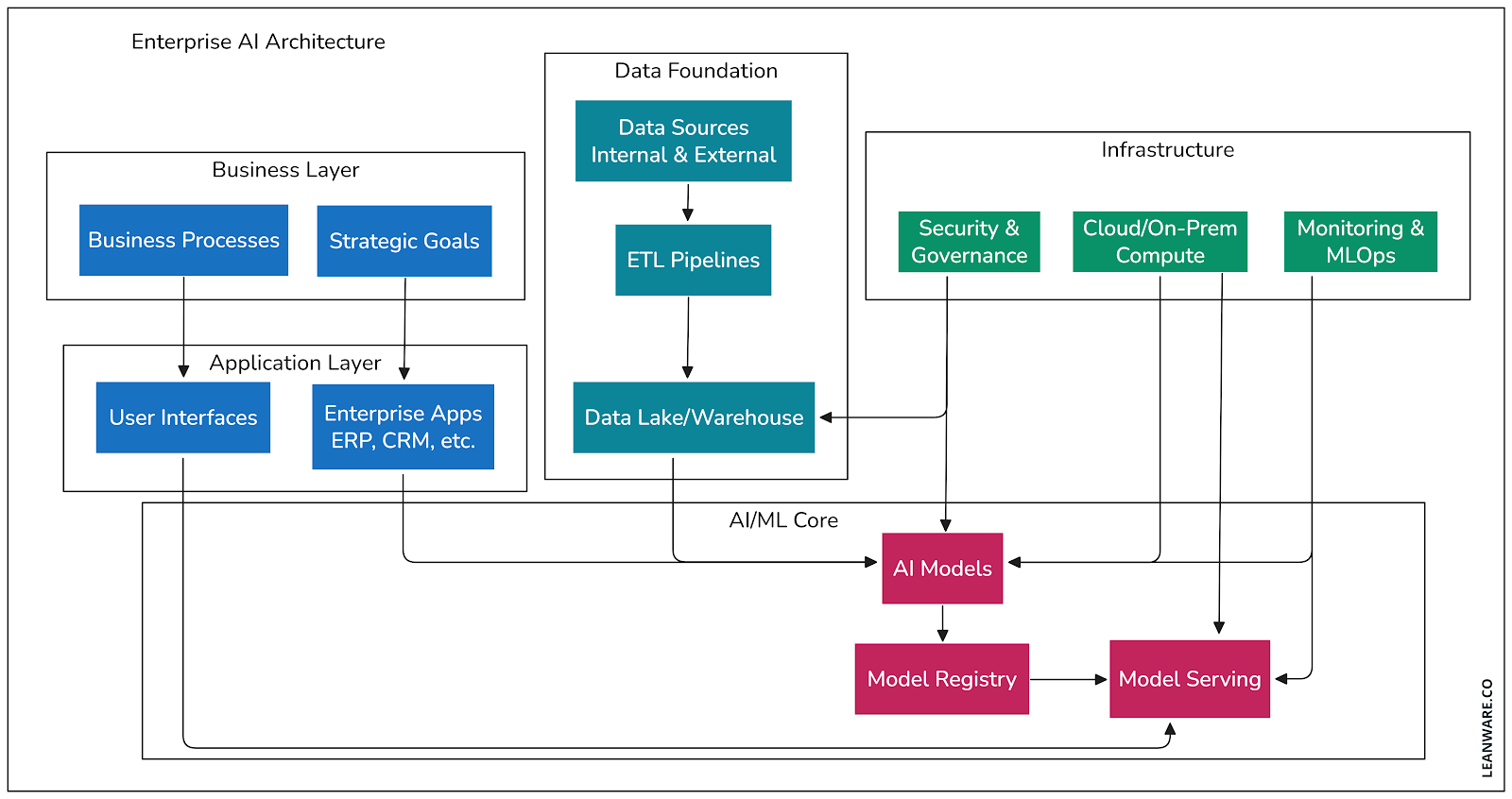
Companies often ask what vendors support AI ready IT infrastructure. The better question is whether their current operational systems are modular, workflows infrastructure readiness is less about the vendor brand and more about architectural design principles.
Step 2: Build an AI Ready Data Infrastructure
AI cannot learn from disorder. An AI ready data infrastructure ensures that every operational action generates clean, structured, and accessible data.
This means:
- Normalized data fields
- Controlled document uploads
- Version history tracking
- Metadata tagging
- Role based access permissions
When documents are standardized and approvals are logged consistently, AI models can classify submissions, flag anomalies, predict delays, and optimize routing decisions. Without a structured data backbone, AI has nothing reliable to analyze.
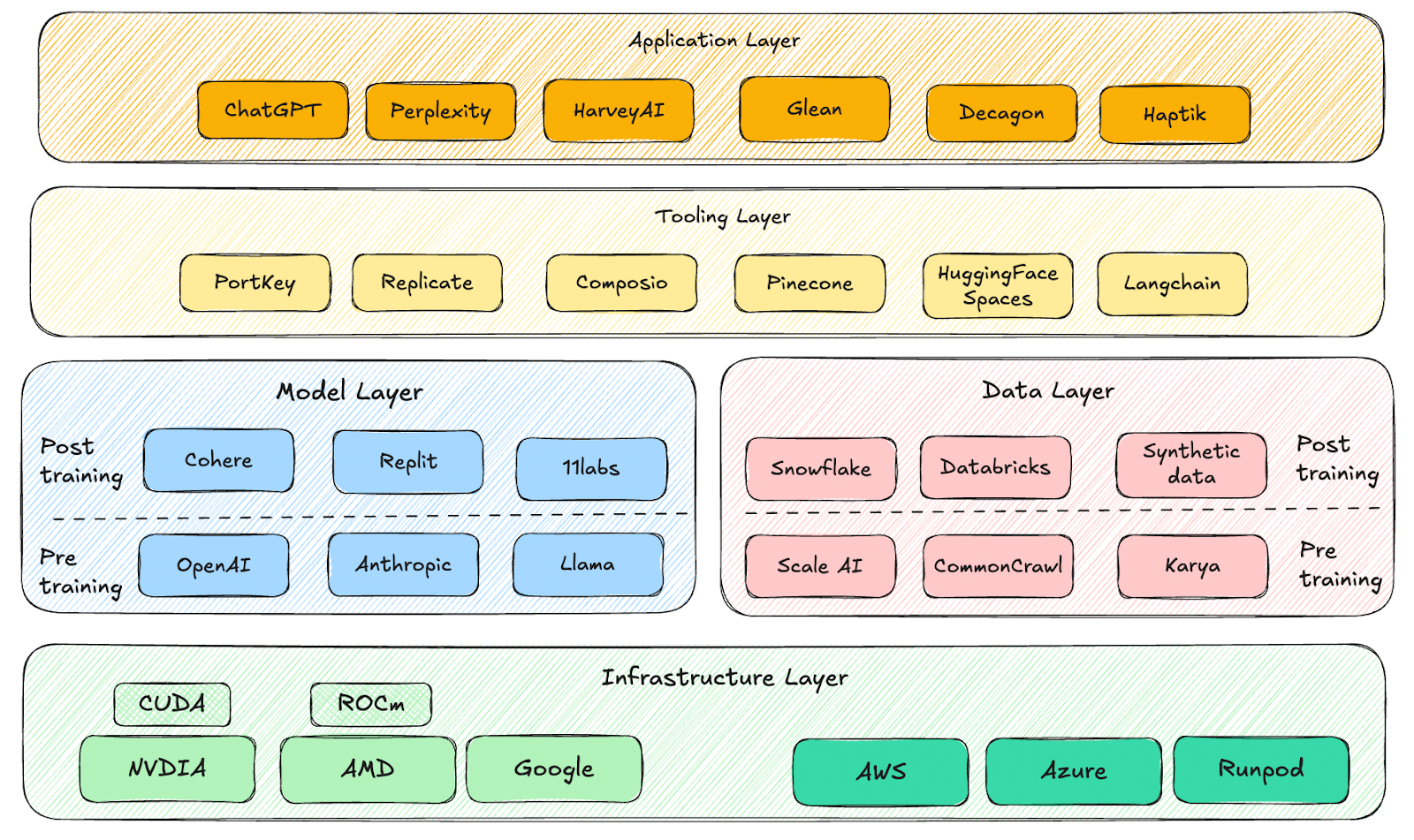
The difference between theoretical AI and practical AI lies in data architecture. An AI ready infrastructure treats data as an operational asset, not a byproduct.
Step 3: Design for Modularity and Scalability
Operational platforms must be modular. Workflow engines, databases, and AI components should be loosely coupled. This design allows businesses to layer AI into processes incrementally rather than rebuilding systems each time technology evolves.
For example, once structured workflows exist, AI can:
- Auto classify vendor submissions
- Extract data from structured forms
- Predict SLA risks
- Suggest approval paths
- Detect anomalies in procurement patterns
When modularity exists, AI becomes an enhancement layer rather than a disruption.
Step 4: Governance and Security as Core Architecture
An AI ready infrastructure must include governance mechanisms from the beginning. This includes encryption, role based access control, detailed audit logs, and compliance ready document storage.
As automation increases, exposure risk increases. Secure design ensures AI driven insights do not compromise operational integrity.
The Strategic Perspective
True AI readiness is operational readiness.
Organizations that invest in structured workflows, disciplined data systems, and scalable architecture position themselves for intelligent automation. Those that attempt shortcuts end up rebuilding later at a higher cost.
AI is powerful but only when the infrastructure is ready.
FAQs
What is AI ready infrastructure?
AI ready infrastructure is a structured operational and technical foundation designed to support intelligent automation through clean workflows, standardized data, and scalable architecture.
What vendors support AI-ready IT infrastructure?
Vendors that provide API first systems, modular workflow engines, and structured data pipelines are best positioned to support AI ready environments.
What is AI ready data infrastructure?
AI ready data infrastructure refers to normalized, tagged, secure, and accessible operational data systems that enable AI models to analyze and automate workflows effectively.